
I’ll never forget the first time I opened a jar of natural peanut butter and saw that layer of oil sitting on top. My initial thought? “Did I buy a defective jar?” Fast forward to 2025, and I now know that oil separation is actually a sign of quality—a hallmark of truly natural peanut butter without added stabilizers or hydrogenated oils. Today, I’m diving deep into Bega Simply Nuts Natural Peanut Butter, one of Australia’s most popular natural spreads, to help you understand exactly what you’re eating when you twist open that iconic jar.
As someone who’s passionate about knowing what goes into my body, I’ve spent considerable time analyzing this product from every angle. Whether you’re vegan, pregnant, gluten-sensitive, or simply health-conscious, this comprehensive review will give you all the information you need to make an informed decision about whether Bega Simply Nuts Natural Peanut Butter deserves a permanent spot in your pantry.
Key Takeaways
✅ Minimal ingredients: Bega Simply Nuts contains only roasted peanuts and salt—no added sugars, oils, or preservatives
✅ Suitable for special diets: This peanut butter is vegan, vegetarian, gluten-free, and generally safe for pregnant women (if not allergic)
✅ High in protein and healthy fats: Each serving provides approximately 8g of protein and beneficial monounsaturated fats
✅ Natural oil separation: The layer of oil on top is normal and indicates the absence of stabilizers—simply stir before use
✅ Australian-made: Produced by Bega, a trusted Australian dairy cooperative with over 100 years of experience
What Exactly Is Bega Simply Nuts Natural Peanut Butter?
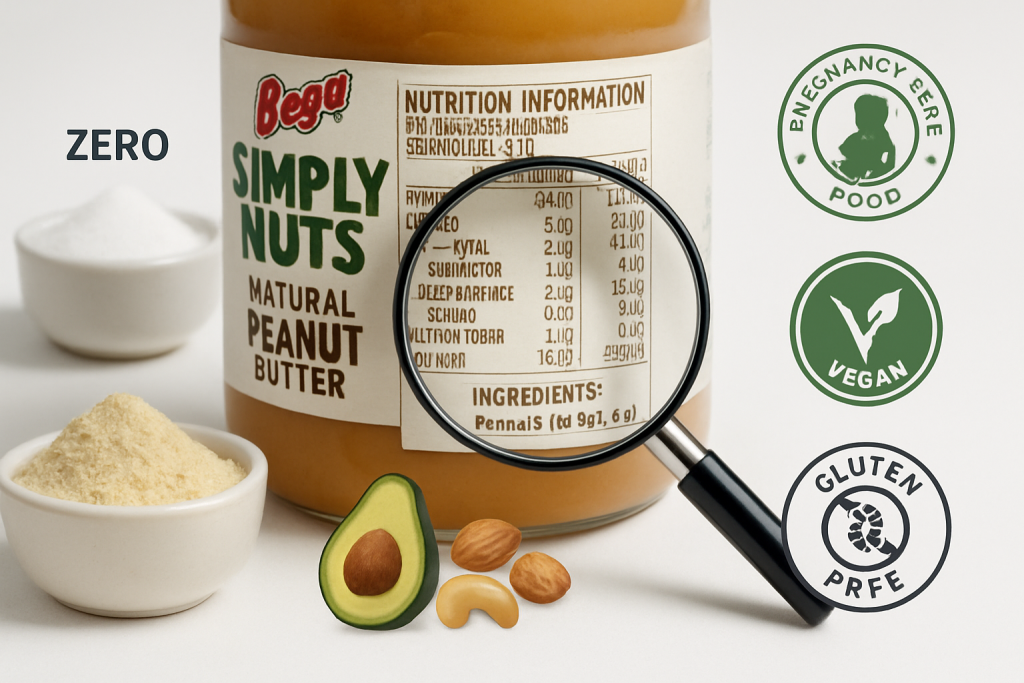
Bega Simply Nuts Natural Peanut Butter is exactly what its name suggests: a straightforward, no-nonsense peanut spread made from Australian peanuts. Unlike many commercial peanut butters that contain added sugars, palm oil, and various stabilizers, this product embraces simplicity.
The Bega brand has been a household name in Australia since 1899, originally known for their cheese production. In recent years, they’ve expanded into the peanut butter market, and their Simply Nuts range has become a favorite among health-conscious Australians who want to know what they eat.
The Philosophy Behind Simply Nuts
The Simply Nuts range represents a shift in consumer preferences. Australians are increasingly reading labels and questioning what goes into their food. This product line responds to that demand by offering transparency—when you read the ingredients list, you’ll find exactly two items: roasted peanuts and salt. That’s it.
This minimalist approach aligns perfectly with the growing clean eating movement. No artificial flavors, no hydrogenated oils, no added sugars—just the natural goodness of peanuts in their most authentic form.
Nutritional Breakdown: What’s Inside the Jar?
Let’s get into the specifics of what you’re actually consuming when you enjoy Bega Simply Nuts Natural Peanut Butter. Understanding the nutritional profile is crucial for making informed dietary choices.
Macronutrients Per Serving (20g)
| Nutrient | Amount | % Daily Intake* |
|---|---|---|
| Energy | 540 kJ (129 cal) | 6% |
| Protein | 8.0g | 16% |
| Total Fat | 16.0g | 23% |
| – Saturated Fat | 2.5g | 10% |
| – Monounsaturated Fat | 8.0g | – |
| – Polyunsaturated Fat | 4.5g | – |
| Carbohydrates | 2.0g | 1% |
| – Sugars | 1.0g | 1% |
| Dietary Fiber | 2.0g | 7% |
| Sodium | 75mg | 3% |
*Based on average adult daily intake (8700 kJ)
Sugar Content: The Sweet Truth
One of the most impressive aspects of Bega Simply Nuts Natural Peanut Butter is its sugar content—or rather, the lack of added sugar. The approximately 1g of sugar per serving comes naturally from the peanuts themselves, not from added sweeteners.
This is a massive difference compared to many commercial peanut butters that can contain 3-5g of added sugar per serving. For context, that’s nearly a full teaspoon of added sugar in just two tablespoons of spread!
When I switched from a popular sweetened brand to Simply Nuts, I noticed the difference immediately. The first taste seemed less sweet, almost savory, but after a week, my palate adjusted. Now, when I occasionally taste sweetened peanut butter, it tastes almost dessert-like—which really puts into perspective how much unnecessary sugar we often consume without realizing it.
Protein Power
With 8g of protein per 20g serving, this natural peanut butter is an excellent protein source, especially for plant-based eaters. That’s roughly 16% of your daily protein needs in just two tablespoons! This makes it a fantastic addition to high-protein vegan breakfast ideas like smoothie bowls, overnight oats, or whole grain toast.
Healthy Fats: The Good Kind
Peanuts are rich in monounsaturated and polyunsaturated fats—the same heart-healthy fats found in olive oil and avocados. These fats can help:
- Lower bad cholesterol (LDL) levels
- Reduce inflammation
- Support brain health
- Improve satiety and weight management
- Enhance nutrient absorption
The 16g of total fat per serving might seem high, but remember: not all fats are created equal. These are predominantly beneficial fats that your body needs for optimal function.
Ingredients Analysis: Simplicity at Its Best
Let’s break down the ingredient list for Bega Simply Nuts Natural Peanut Butter:
- Roasted Peanuts (99.5%)
- Salt (0.5%)
That’s genuinely it. No hidden ingredients, no confusing chemical names, no fine print surprises.
Why This Matters
Many commercial peanut butters contain:
- Hydrogenated oils (trans fats that increase heart disease risk)
- Added sugars (contributing to obesity and diabetes)
- Palm oil (environmental concerns and unnecessary saturated fat)
- Emulsifiers (to prevent oil separation)
- Artificial flavors (unnecessary additives)
By choosing a product with just two ingredients, you’re avoiding all these potential concerns. This simplicity also makes it easier to track your macros if you’re counting calories or following a specific dietary plan.
Suitability for Special Dietary Needs
One of the most common questions I receive is about whether specific products are suitable for various dietary requirements. Let me break down how Bega Simply Nuts Natural Peanut Butter measures up for different groups.
Vegan and Vegetarian Suitability ✅
Yes, absolutely! Bega Simply Nuts Natural Peanut Butter is 100% plant-based, containing only peanuts and salt. There are no animal-derived ingredients whatsoever, making it perfect for vegans and vegetarians.
This makes it an excellent pantry staple for anyone following a plant-based lifestyle. I often recommend it to friends who are transitioning to veganism because it’s:
- Affordable
- Readily available in most Australian supermarkets
- Versatile for both sweet and savory dishes
- Nutrient-dense
For more plant-based product reviews, check out our comprehensive vegan product database.
Pregnancy Safety ✅ (with considerations)
Peanut butter can be safely consumed during pregnancy, provided you don’t have a peanut allergy. In fact, recent research suggests that consuming peanuts during pregnancy may actually reduce the risk of peanut allergies in children[1].
Benefits for pregnant women:
- High in folate: Essential for fetal neural tube development
- Protein-rich: Supports fetal growth and maternal tissue expansion
- Healthy fats: Important for baby’s brain development
- Energy-dense: Helps meet increased caloric needs
Important considerations:
- Ensure you’re not allergic to peanuts
- Choose natural varieties like Simply Nuts to avoid unnecessary additives
- Practice proper food safety (always use clean utensils)
- Store properly to prevent contamination
I remember when my sister was pregnant in 2023, her doctor specifically recommended natural peanut butter as a healthy snack option. She’d spread it on apple slices for a perfect balance of protein, healthy fats, and fiber—much better than the sugary snacks she was craving!
Gluten-Free Status ✅
Bega Simply Nuts Natural Peanut Butter is naturally gluten-free. Peanuts don’t contain gluten, and with only salt as the other ingredient, there’s no source of gluten in this product.
However, it’s worth noting that Bega doesn’t market this product with a certified gluten-free label, which means:
- It’s not manufactured in a dedicated gluten-free facility
- There’s potential for cross-contamination during processing
- Those with celiac disease should assess their individual sensitivity level
For most people with gluten sensitivity or those following a gluten-free diet by choice, this product should pose no issues. However, if you have severe celiac disease, you may want to contact Bega directly to inquire about their manufacturing processes.
Keto and Low-Carb Diets ✅
With only 2g of carbohydrates per serving (and 2g of fiber), the net carbs in Bega Simply Nuts Natural Peanut Butter are essentially zero. This makes it an excellent choice for:
- Ketogenic diets
- Low-carb eating plans
- Blood sugar management
- Diabetic-friendly diets
The high fat content also makes it perfect for keto dieters who need to maintain high fat intake while keeping carbs minimal.
Nut Allergy Concerns ❌
This is obvious but crucial to state: Bega Simply Nuts Natural Peanut Butter is NOT suitable for anyone with peanut or tree nut allergies. While peanuts are technically legumes, not tree nuts, many people with tree nut allergies also react to peanuts.
If you’re looking for alternatives due to allergies, consider:
- Sunflower seed butter
- Tahini (sesame seed paste)
- Soy nut butter
Paleo Diet Compatibility ⚠️
This one’s debatable. Technically, peanuts are legumes, and strict paleo diets exclude legumes. However, many modern paleo followers include peanuts and peanut butter, especially natural varieties without additives.
The decision ultimately depends on your interpretation of paleo principles and how your body responds to legumes.
Taste and Texture: What to Expect
Let’s talk about the sensory experience of Bega Simply Nuts Natural Peanut Butter, because taste and texture are just as important as nutrition when it comes to foods you’ll actually eat regularly.
First Impressions
When you first open a jar, you’ll immediately notice:
- Oil separation: A layer of peanut oil on top (completely normal!)
- Thicker consistency: Less smooth than commercial brands
- Natural peanut aroma: Smells like actual roasted peanuts, not artificial flavoring
- Slightly grainy texture: You can see small peanut pieces
The Stirring Situation
Here’s my pro tip: when you first open the jar, stir thoroughly with a butter knife or spoon for about 2-3 minutes. I know it seems tedious, but it makes a huge difference. The oil needs to be fully incorporated into the peanut solids for the best consistency.
Some people store their natural peanut butter upside down before opening to help with mixing. I’ve tried this, and it does help! Once mixed, store it in the fridge to prevent re-separation.
Taste Profile
The flavor of Bega Simply Nuts is:
- Nutty and rich: Authentic roasted peanut taste
- Slightly salty: Just enough to enhance the natural flavors
- Not sweet: No sugar means no sweetness beyond the peanuts’ natural flavor
- Earthy undertones: A more complex flavor than sweetened varieties
If you’re transitioning from sweetened peanut butter, give yourself a week or two to adjust. Your taste buds will recalibrate, and you’ll start appreciating the genuine peanut flavor.
Texture Comparison
Compared to commercial brands like Skippy or Jif, Simply Nuts is:
- Less creamy: More texture and body
- Slightly grainy: Small peanut particles throughout
- Thicker: Doesn’t spread quite as easily (especially when cold)
- More authentic: Feels like you’re eating actual ground peanuts
How Bega Simply Nuts Compares to Other Natural Peanut Butters
The natural peanut butter market in Australia has exploded in recent years. Let’s see how Bega Simply Nuts stacks up against competitors.
Price Comparison (2025 Australian Market)
| Brand | Size | Price Range | Price per 100g |
|---|---|---|---|
| Bega Simply Nuts | 325g | $5.50-$6.50 | $1.69-$2.00 |
| Mayver’s Natural | 375g | $6.00-$7.00 | $1.60-$1.87 |
| Pic’s Peanut Butter | 380g | $8.00-$9.00 | $2.11-$2.37 |
| Sanitarium Natural | 375g | $5.50-$6.50 | $1.47-$1.73 |
| Woolworths Macro | 375g | $4.50-$5.50 | $1.20-$1.47 |
Bega Simply Nuts sits comfortably in the mid-range, offering good value for a quality product from a trusted Australian brand.
Ingredient Comparison
Most natural peanut butter brands in Australia offer similar ingredient lists:
- Bega Simply Nuts: Peanuts (99.5%), Salt (0.5%)
- Mayver’s: Peanuts (100%) – no salt option available
- Pic’s: Peanuts (99.5%), Salt (0.5%)
- Sanitarium: Peanuts (100%)
The main difference is whether salt is included. Some brands offer both salted and unsalted versions.
Why I Choose Bega
While I’ve tried most natural peanut butter brands available in Australia, I keep coming back to Bega Simply Nuts for several reasons:
- Availability: Found in virtually every major supermarket
- Consistency: Quality remains reliable across batches
- Brand trust: Bega’s long history in Australian food production
- Price-to-quality ratio: Excellent value for money
- Supporting Australian: Made from Australian peanuts when possible
Creative Ways to Use Bega Simply Nuts Natural Peanut Butter
Beyond the classic PB&J sandwich, there are countless ways to incorporate this nutritious spread into your diet. Here are some of my favorite applications:
Breakfast Ideas 🌅
- Classic Toast: Spread on whole grain bread with sliced banana
- Overnight Oats: Stir a tablespoon into your oats with chia seeds
- Smoothie Booster: Add to fruit smoothies for protein and creaminess
- Pancake Topping: Drizzle melted peanut butter over pancakes
- Yogurt Swirl: Mix into dairy-free yogurt with berries
Savory Applications 🥘
Natural peanut butter isn’t just for sweet dishes! Try these savory uses:
- Satay Sauce: Mix with coconut milk, soy sauce, lime, and garlic
- Thai-Style Noodles: Toss with rice noodles, vegetables, and sesame oil
- African Peanut Stew: A base for rich, hearty stews
- Peanut Dressing: Whisk with rice vinegar and ginger for salads
- Veggie Dip: Thin with water and add sriracha for a spicy dip
Snack Time 🍎
- Apple or Celery Sticks: The ultimate afternoon snack
- Rice Cakes: A crunchy, satisfying treat
- Energy Balls: Mix with oats, dates, and dark chocolate chips
- Stuffed Dates: Fill Medjool dates for a naturally sweet treat
- Banana “Sushi”: Spread on tortilla, add banana, roll and slice
Baking and Desserts 🍪
- Peanut Butter Cookies: Use as the main ingredient in flourless cookies
- Brownies: Swirl into brownie batter for extra richness
- Nice Cream: Blend with frozen bananas for healthy ice cream
- Protein Bars: Homemade bars with oats and honey
- Chocolate Peanut Butter Cups: Make your own healthier version
Storage and Shelf Life: Keeping It Fresh
Proper storage is crucial for maintaining the quality and safety of natural peanut butter. Since Bega Simply Nuts Natural Peanut Butter lacks preservatives, it requires more careful handling than commercial varieties.
Before Opening
- Pantry storage: Fine to keep in a cool, dark cupboard
- Check expiration date: Typically 12-18 months from manufacture
- Avoid heat: Don’t store near ovens or in direct sunlight
After Opening
Once you’ve opened your jar, I strongly recommend:
Refrigeration ✅
- Keeps the oil from separating again
- Prevents rancidity
- Extends shelf life to 3-6 months
- Slows potential mold growth
Room Temperature ⚠️
- Only if you’ll use it within 2-3 months
- Keep in a cool, dark place
- Oil will separate again
- Higher risk of rancidity in warm climates
Signs Your Peanut Butter Has Gone Bad
Watch out for these indicators:
- Rancid smell: Sour or chemical-like odor
- Off taste: Bitter or unpleasant flavor
- Mold: Any visible spots (discard immediately)
- Extreme oil separation: If refrigerated and still separating
- Dark color: Significant darkening of the paste
When in doubt, throw it out. Natural peanut butter is affordable enough that it’s not worth the risk.
Environmental and Ethical Considerations
As someone who cares about sustainability, I always consider the environmental impact of the products I buy. Let’s examine Bega Simply Nuts from this perspective.
Packaging
Bega Simply Nuts comes in:
- Plastic jar: Recyclable in most Australian council areas (check local guidelines)
- Plastic lid: Also recyclable
- Paper label: Compostable after removal
While glass jars would be more environmentally friendly, plastic is lighter (reducing transport emissions) and less likely to break during shipping.
Peanut Sourcing
Bega sources peanuts from Australian growers when available, supporting local agriculture. However, like most peanut butter manufacturers, they may supplement with imported peanuts during shortages.
Australian peanut farming is relatively sustainable:
- Peanuts are legumes that fix nitrogen in soil
- Require less water than many other crops
- Australian farming standards are generally high
Company Practices
Bega Cheese Limited (the parent company) has made commitments to:
- Reducing carbon emissions
- Improving water efficiency
- Supporting Australian farmers
- Ethical sourcing practices
While they’re not perfect, they’re moving in the right direction compared to many multinational food corporations.
Common Questions and Concerns
Over the years, I’ve heard numerous questions about natural peanut butter. Let me address the most common ones:
“Why is there oil on top?”
This is completely normal! Without emulsifiers and stabilizers, the natural peanut oil separates from the solids. It’s actually a sign of quality—you’re seeing the natural oils from the peanuts, not added hydrogenated oils.
“Can I pour off the oil to reduce calories?”
Technically yes, but I don’t recommend it. The oil contains beneficial fats and fat-soluble vitamins. Removing it leaves you with dry, difficult-to-spread peanut paste that’s less nutritious and less enjoyable.
“Is natural peanut butter better for weight loss?”
Not necessarily. Natural peanut butter has similar calories to regular peanut butter. The benefit is avoiding added sugars and unhealthy fats, not reduced calories. It’s still calorie-dense, so portion control matters.
“Can I use it in baking?”
Absolutely! Natural peanut butter works wonderfully in baking. Just ensure it’s well-stirred first for consistent results.
“Why does it taste different from Skippy?”
Because it doesn’t contain added sugar, salt, and oils. Your taste buds are experiencing actual peanut flavor. Give yourself time to adjust—most people grow to prefer the authentic taste.
The Verdict: Is Bega Simply Nuts Worth It?
After this comprehensive analysis, here’s my honest assessment of Bega Simply Nuts Natural Peanut Butter:
Pros ✅
- Minimal ingredients: Only peanuts and salt
- No added sugar: Perfect for reducing sugar intake
- High protein content: Great for active individuals and plant-based eaters
- Versatile: Works in sweet and savory dishes
- Australian-made: Supporting local industry
- Good value: Reasonably priced for quality
- Widely available: Found in most supermarkets
- Suitable for multiple diets: Vegan, gluten-free, keto-friendly
Cons ❌
- Oil separation: Requires stirring (though this indicates quality)
- Less convenient: Not as spreadable as commercial brands
- Texture: Some find it too grainy
- Taste adjustment: Takes time if you’re used to sweetened versions
- Refrigeration recommended: Takes up fridge space
- Not certified gluten-free: May concern those with severe celiac disease
My Personal Rating: 4.5/5 ⭐⭐⭐⭐½
I deduct half a star only for the convenience factor—the oil separation and need for refrigeration make it slightly less convenient than shelf-stable, pre-mixed varieties. However, these are minor inconveniences when weighed against the health benefits and quality.
For anyone committed to clean eating and understanding their food, Bega Simply Nuts Natural Peanut Butter is an excellent choice. It delivers on its promise of simplicity while providing solid nutrition and authentic peanut flavor.
Alternatives and Similar Products
If you’re interested in exploring other natural nut and seed butters, here are some options worth considering:
Other Nut Butters
- Almond butter: Lower in protein but higher in vitamin E
- Cashew butter: Creamier texture, naturally sweeter
- Macadamia butter: Rich and buttery, very high in healthy fats
For those interested in plant-based alternatives, check out reviews of products like Alchemy Caramel Syrup for sweetening applications.
Seed Butters (Nut-Free)
- Sunflower seed butter: Great for those with nut allergies
- Tahini: Made from sesame seeds, excellent in savory dishes
- Pumpkin seed butter: High in zinc and magnesium
Specialty Nut Butters
For those wanting to explore artisanal options, there are numerous small Australian producers creating unique blends. While peanut butter is a staple, products like All The Things Ashed Cashew Brie show how creative plant-based producers are getting with nuts and seeds.
Making the Switch: Tips for Transitioning
If you’re considering switching from commercial to natural peanut butter, here are my top tips for a smooth transition:
Week 1: Gradual Introduction
- Mix half Simply Nuts with half your regular brand
- This eases your taste buds into the less-sweet flavor
- Gradually increase the ratio over several days
Week 2: Full Transition
- Switch completely to Simply Nuts
- Try it in different applications to find what you enjoy
- Don’t give up if the first taste seems bland
Pro Tips for Success
- Add your own sweetness: Drizzle honey or maple syrup if needed initially
- Warm it up: Slightly warmed peanut butter spreads more easily
- Invest in a good stirrer: A butter knife with a long handle makes mixing easier
- Try savory first: The lack of sweetness works beautifully in savory dishes
- Be patient: Your palate will adjust within 2-3 weeks
The Bigger Picture: Why Natural Matters
Choosing products like Bega Simply Nuts Natural Peanut Butter is about more than just one jar of spread. It’s part of a larger movement toward:
Food Transparency
When you can pronounce and understand every ingredient in your food, you’re making informed choices. This transparency empowers consumers and puts pressure on manufacturers to clean up their ingredient lists.
Reduced Sugar Consumption
Australians consume an average of 14 teaspoons of sugar daily—far exceeding the WHO recommendation of 6 teaspoons[2]. Every product you choose without added sugar helps reduce your overall intake.
Supporting Better Manufacturing
When consumers choose natural products, it sends a message to food manufacturers. The success of products like Simply Nuts encourages more companies to offer cleaner options.
Health Empowerment
Understanding what you eat gives you control over your health. Whether you’re managing diabetes, trying to lose weight, or simply wanting to feel better, knowing your ingredients is the first step.
This philosophy aligns with our mission at Vegan Reviews to help Australians make informed food choices.
Budget-Friendly Ways to Enjoy Natural Peanut Butter
At around $6 per jar, some people worry about the cost of natural peanut butter. Here’s how to make it budget-friendly:
Portion Control
- Use measuring spoons to avoid over-serving
- A little goes a long way due to rich flavor
- Two tablespoons is genuinely satisfying
Stretch It Further
- Thin with water for sauces and dressings
- Mix with cheaper ingredients like oats in energy balls
- Use as a flavor accent rather than the main ingredient
Buy on Special
- Stock up when it’s on sale (check expiration dates)
- Many supermarkets run regular promotions
- Consider buying larger sizes if available
DIY Options
- If you have a high-powered blender, you can make your own
- Buy peanuts in bulk from wholesalers
- Blend until smooth (takes 5-10 minutes)
Final Thoughts and Recommendations
After thoroughly analyzing Bega Simply Nuts Natural Peanut Butter from every conceivable angle—nutritional content, suitability for special diets, taste, texture, environmental impact, and value—I can confidently recommend it to most people.
This product exemplifies what modern food should be: simple, transparent, nutritious, and delicious. It proves that healthy eating doesn’t require complicated ingredients or expensive superfoods—sometimes, the best choice is the most straightforward one.
Whether you’re spreading it on your morning toast, blending it into a post-workout smoothie, or using it to create a delicious satay sauce for dinner, Bega Simply Nuts delivers consistent quality and authentic peanut flavor.
For those following plant-based diets, it’s an excellent protein source that pairs well with other vegan staples. If you’re exploring more plant-based options, consider checking out products like Aldi Vegan Meatballs or Ancient Grains Organic Oat Sourdough Bread to complement your peanut butter.
Conclusion: Know What You Eat
In 2025, we’re fortunate to have more food choices than ever before. But with choice comes responsibility—the responsibility to understand what we’re putting into our bodies and how it affects our health, our communities, and our planet.
Bega Simply Nuts Natural Peanut Butter represents a step in the right direction: a product that respects consumers’ intelligence, delivers genuine nutrition, and doesn’t hide behind misleading marketing or unnecessary additives.
Your Action Steps
If you’re ready to make the switch or try natural peanut butter for the first time, here’s what I recommend:
- Buy a jar: Pick one up on your next shopping trip (most Coles and Woolworths stock it)
- Stir thoroughly: Take the time to mix it well before first use
- Give it two weeks: Allow your taste buds to adjust to the natural flavor
- Experiment: Try it in different recipes and applications
- Share your experience: Help others make informed choices by sharing what you learn
Remember, every small choice toward cleaner, more natural foods adds up. Whether you’re vegan, pregnant, gluten-free, or simply health-conscious, knowing what you eat empowers you to make better decisions for your body and your life.
Have you tried Bega Simply Nuts Natural Peanut Butter? I’d love to hear about your experience! And if you’re looking for more honest, comprehensive reviews of food products available in Australia, explore our extensive collection of vegan and natural product reviews.
Here’s to simpler ingredients, better health, and truly knowing what you eat! 🥜
References
[1] American Academy of Pediatrics. (2019). “Prevention of Peanut Allergy in the United States: Summary of the NIAID-Sponsored Expert Panel.” Journal of Allergy and Clinical Immunology.
[2] Australian Bureau of Statistics. (2023). “Australian Health Survey: Nutrition First Results – Foods and Nutrients.”