
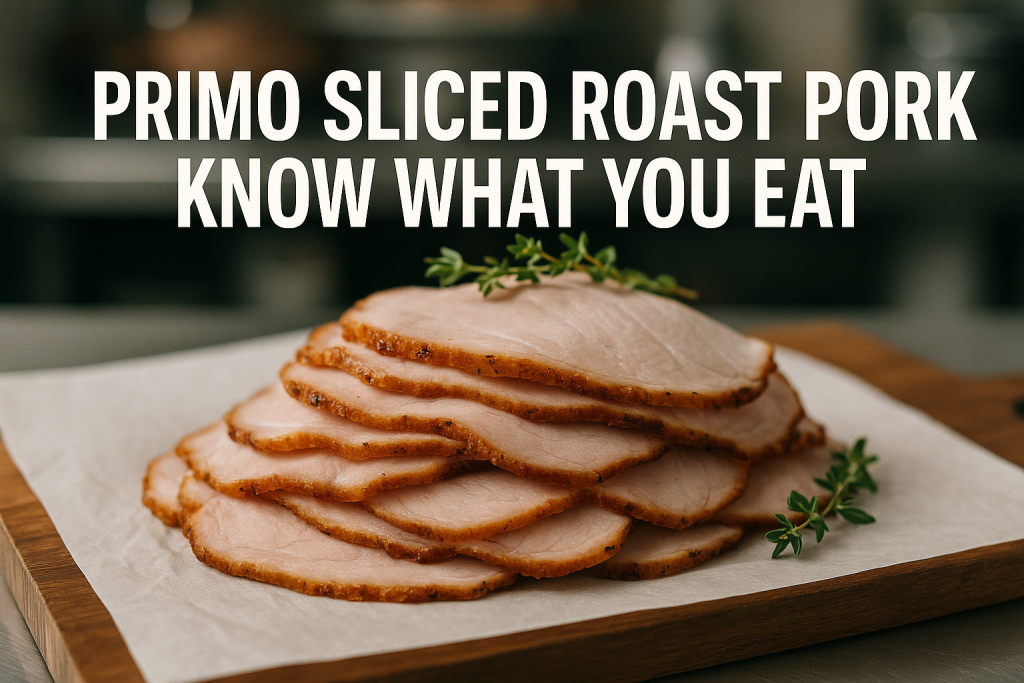
Picture this: It’s Sunday morning, and you’re standing in front of your refrigerator, staring at that familiar package of sliced roast pork you grabbed at the grocery store. You’re about to make sandwiches for the week ahead, but a nagging question pops into your mind: What exactly am I feeding my family? If you’ve ever wondered what’s really inside that convenient package of Primo sliced roast pork, you’re not alone. I’ve been there too, and that’s exactly why I decided to dig deep into this popular deli meat option.
Primo sliced roast pork has become a staple in countless Canadian households, gracing lunch boxes and dinner tables across the country. But in an era where we’re increasingly conscious about what we put into our bodies, it’s more important than ever to understand exactly what we’re eating. Let’s pull back the curtain and take an honest, thorough look at this deli meat favorite.
Key Takeaways
- Primo sliced roast pork is a pre-cooked, seasoned pork product that offers convenience but requires careful nutritional consideration
- The product contains added sodium, preservatives, and seasonings that impact its nutritional profile compared to fresh roast pork
- A typical serving provides approximately 60-70 calories and 10-12g of protein, making it a decent protein source when consumed in moderation
- Understanding ingredient lists and nutrition labels helps you make informed choices about including this product in your diet
- Proper storage and handling are essential for food safety with any pre-packaged deli meat
What Exactly Is Primo Sliced Roast Pork? 🥩
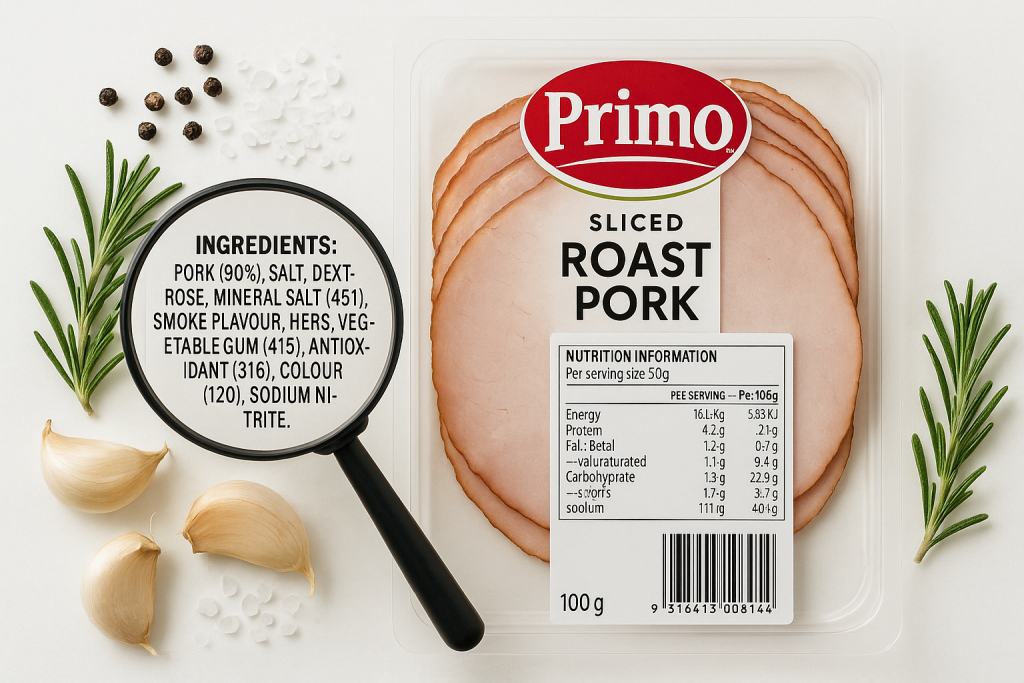
Let me start by breaking down what we’re actually talking about here. Primo sliced roast pork is a pre-cooked, pre-sliced deli meat product manufactured by Maple Leaf Foods, one of Canada’s largest food processing companies. Unlike the roast pork you might prepare at home on a Sunday afternoon, this is a commercially processed product designed for convenience and extended shelf life.
The product typically comes vacuum-sealed in plastic packaging, with thin slices of seasoned pork that are ready to eat straight from the package. It’s designed to save you time – no roasting, no slicing, no cleanup. Just open and serve.
The Manufacturing Process
While Maple Leaf Foods doesn’t publish every detail of their manufacturing process, commercially produced sliced roast pork generally follows these steps:
- Selection: Pork cuts (typically from the loin or shoulder) are selected
- Seasoning: The meat is seasoned with salt, spices, and other flavorings
- Cooking: The pork is roasted or cooked in industrial ovens
- Cooling: The cooked meat is rapidly cooled to prevent bacterial growth
- Slicing: Industrial slicers create uniform, thin pieces
- Packaging: Slices are vacuum-sealed to extend shelf life
This process is quite different from what happens in your home kitchen, and that difference matters when we’re trying to understand the final product.
Breaking Down the Primo Sliced Roast Pork Ingredient List 📋
Here’s where things get interesting. When I first really looked at the ingredient list on a package of Primo sliced roast pork, I realized there was more going on than just “pork.” Let’s talk about what you’re actually getting.
Primary Ingredients
Pork is, of course, the main ingredient. But it’s followed by a list of additives that serve various purposes:
- Water: Added to maintain moisture and texture
- Salt: For flavor and preservation
- Sugar/Dextrose: Adds subtle sweetness and aids in browning during cooking
- Sodium phosphate: Helps retain moisture and improves texture
- Sodium erythorbate: An antioxidant that maintains color
- Sodium nitrite: A preservative that prevents bacterial growth and maintains the pink color [1]
Why These Additives Matter
I know what you’re thinking – that’s a lot of “sodium” ingredients! You’re right to notice. These additives serve important functions in commercial meat processing, but they also significantly impact the nutritional profile of the final product.
Sodium phosphates help the meat retain water, which keeps it juicy and tender. Without them, the sliced pork would be much drier. However, they also contribute to the overall sodium content, which is something we need to watch.
Sodium nitrite is perhaps the most controversial ingredient. It’s been used in cured meats for decades because it’s highly effective at preventing botulism, a potentially deadly form of food poisoning [2]. It also gives cured meats their characteristic pink color and distinctive flavor. However, there’s ongoing debate about the health implications of consuming nitrites regularly.
Nutritional Profile: The Numbers Behind Primo Sliced Roast Pork 📊
Let’s get into the nitty-gritty of what you’re actually consuming when you eat Primo sliced roast pork. I’ve analyzed the nutrition label, and here’s what a typical serving looks like:
Per Serving (approximately 55g or 4 slices):
| Nutrient | Amount | % Daily Value |
|---|---|---|
| Calories | 60-70 | 3% |
| Fat | 2-3g | 3-4% |
| Saturated Fat | 1g | 5% |
| Cholesterol | 25-30mg | 8-10% |
| Sodium | 480-520mg | 20-22% |
| Carbohydrates | 1-2g | <1% |
| Protein | 10-12g | 20-24% |
What These Numbers Really Mean
The protein content is actually quite good – 10-12g per serving is respectable, especially for a relatively low-calorie food. Protein is essential for muscle maintenance, immune function, and keeping you feeling full [3].
But here’s the catch: that sodium content is significant. At 480-520mg per serving, you’re getting about 20% of the recommended daily sodium intake in just four slices. The American Heart Association recommends no more than 2,300mg of sodium per day, with an ideal limit of 1,500mg for most adults [4].
If you’re making a sandwich with four slices of Primo sliced roast pork, adding cheese, condiments, and bread, you could easily be consuming half your daily sodium allowance in a single meal.
How Primo Sliced Roast Pork Compares to Alternatives 🔄
I think it’s only fair to put this product in context. How does Primo sliced roast pork stack up against other options?
Versus Fresh Roasted Pork
When you roast a pork loin at home with minimal seasoning, you get:
- ✅ Lower sodium content (you control the salt)
- ✅ No preservatives or additives
- ✅ Similar protein content
- ❌ More preparation time
- ❌ Shorter shelf life
Versus Other Deli Meats
Compared to other processed deli meats like ham, turkey, or salami:
- Similar sodium levels across most brands
- Lower fat content than salami or pepperoni
- Comparable protein content to turkey breast
- Higher processing level than simply roasted turkey or chicken
Versus Plant-Based Alternatives
Modern plant-based deli slices offer:
- ✅ No cholesterol
- ✅ Often lower saturated fat
- ❌ May have similar or higher sodium
- ❌ Different protein quality (not complete proteins in some cases)
- ❌ Often more processed with more additives
The Convenience Factor: Is Primo Sliced Roast Pork Worth It? ⏰
Let me be honest with you – I’ve relied on packages of Primo sliced roast pork more times than I can count. There have been Sunday evenings when I realized I had nothing prepared for the week’s lunches, and that vacuum-sealed package was a lifesaver.
When It Makes Sense
Primo sliced roast pork can be a reasonable choice when:
- You need quick protein for lunches or snacks
- You’re balancing multiple dietary priorities and protein intake is key
- You’re comparing it to less healthy lunch options (like fast food)
- You’re using it sparingly as part of a varied diet
- You need something with a longer shelf life than fresh meat
When You Might Want Alternatives
Consider other options if:
- You’re watching your sodium intake closely
- You have high blood pressure or cardiovascular concerns
- You’re trying to minimize processed foods
- You have time to prepare fresh proteins
- You’re feeding young children regularly (they’re more sensitive to additives)
Smart Ways to Use Primo Sliced Roast Pork in Your Diet 🥗
If you do choose to include Primo sliced roast pork in your meal rotation, here are some strategies I’ve found helpful for using it in healthier ways:
Balance Is Key
- Watch your portions: Stick to the recommended serving size rather than piling on extra slices
- Pair with fresh foods: Load up on vegetables, fruits, and whole grains alongside the pork
- Mind your other sodium sources: If you’re having roast pork for lunch, keep dinner lower in sodium
- Hydrate: Increased sodium intake requires adequate water consumption
Creative Serving Ideas
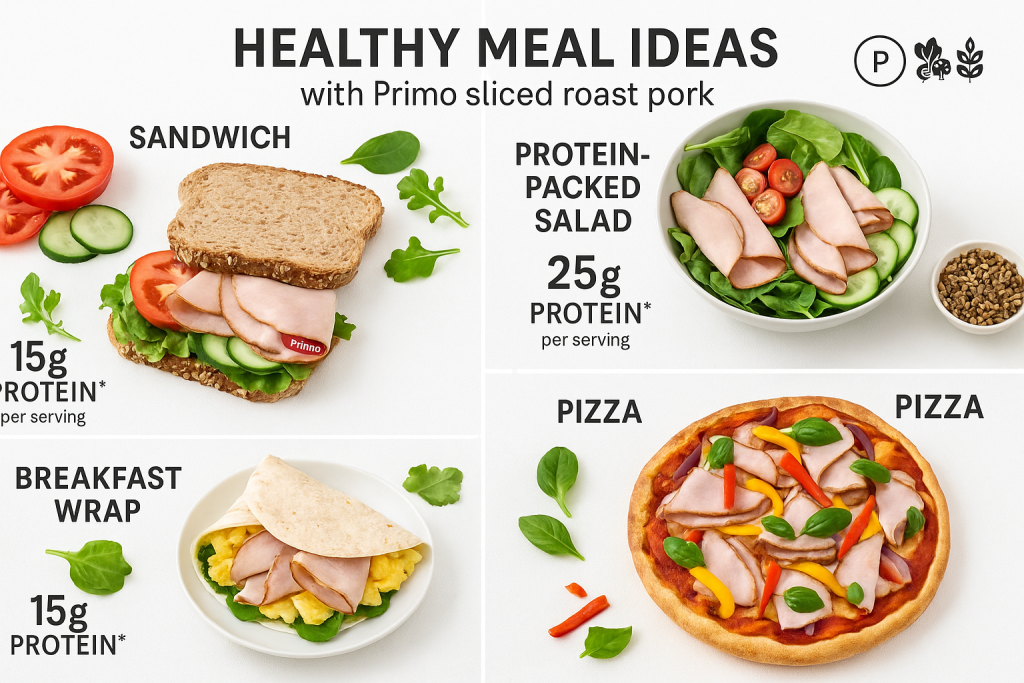
- Protein-packed salads: Add a few slices to a large green salad with plenty of vegetables
- Breakfast wraps: Use one or two slices with eggs and vegetables in a whole-grain wrap
- Snack plates: Pair with cheese, crackers, and fresh fruit for a balanced snack
- Homemade pizza: Use as a topping with lots of vegetables
- Pasta additions: Dice and add to pasta with tomato sauce and vegetables
What to Avoid
❌ Don’t make it your only protein source for the day
❌ Don’t combine it with other high-sodium foods (like pickles, chips, or salty cheeses)
❌ Don’t ignore the serving size recommendations
❌ Don’t feed it to infants or very young children regularly
Food Safety and Storage: Keeping Your Primo Sliced Roast Pork Safe 🛡️
This is crucial information that often gets overlooked. Pre-packaged deli meats require careful handling to prevent foodborne illness.
Storage Guidelines
- Unopened packages: Store in the refrigerator at 40°F (4°C) or below; use by the date on the package
- Opened packages: Consume within 3-5 days; reseal tightly or transfer to an airtight container
- Never leave at room temperature for more than 2 hours (1 hour if temperature is above 90°F)
- Freezing: You can freeze sliced roast pork for up to 2 months, though texture may change slightly
Signs of Spoilage
Watch for these red flags:
- Slimy or sticky texture
- Off or sour smell
- Discoloration (gray or greenish tones)
- Package bloating or excessive liquid
If you notice any of these signs, throw it out. It’s not worth the risk of food poisoning.
Special Considerations for Vulnerable Populations
The CDC recommends that pregnant women, older adults, and people with weakened immune systems heat deli meats to 165°F before consuming to kill any potential Listeria bacteria [5]. This applies to Primo sliced roast pork as well.
The Environmental and Ethical Perspective 🌍
When we talk about “knowing what you eat,” it’s not just about ingredients and nutrition – it’s also about understanding the broader impact of our food choices.
Pork Production Considerations
Industrial pork production raises several concerns:
- Environmental impact: Pig farming contributes to greenhouse gas emissions and water pollution
- Animal welfare: Factory farming practices vary widely in their treatment of animals
- Antibiotic use: Some pork producers use antibiotics, contributing to antibiotic resistance concerns
Making More Informed Choices
If these issues matter to you, consider:
- Looking for products labeled “antibiotic-free” or “raised without antibiotics”
- Seeking out brands with animal welfare certifications
- Reducing overall consumption of processed meats
- Supporting local farmers with transparent practices when possible
Maple Leaf Foods has made commitments to sustainability and animal welfare, but like any large food producer, there’s always room for improvement and ongoing scrutiny.
The Bottom Line: Should You Buy Primo Sliced Roast Pork? 🤔
After all this analysis, you’re probably wondering: what’s my final verdict on Primo sliced roast pork?
Here’s my honest take: It’s a moderately processed convenience food that can fit into a balanced diet when used thoughtfully, but it shouldn’t be a dietary staple.
The Good
✅ Convenient and time-saving
✅ Good protein source
✅ Relatively low in calories and fat
✅ Versatile for many meals
✅ Long shelf life when properly stored
The Not-So-Good
❌ High in sodium
❌ Contains preservatives and additives
❌ More processed than fresh alternatives
❌ May pose risks for certain populations
❌ Environmental and ethical considerations
My Personal Approach
I keep Primo sliced roast pork on hand for busy weeks, but I don’t rely on it exclusively. I rotate it with:
- Fresh roasted chicken or turkey I prepare on weekends
- Canned tuna or salmon
- Hard-boiled eggs
- Leftover home-cooked proteins
- Plant-based protein options
This rotation gives me convenience when I need it while minimizing my intake of processed foods overall.
Conclusion: Making Empowered Food Choices
Understanding what’s really in your Primo sliced roast pork is about more than just reading a label – it’s about making empowered decisions that align with your health goals, values, and lifestyle.
There’s no perfect food, and there’s certainly no shame in choosing convenient options when life gets hectic. What matters is that you’re making informed choices rather than mindless ones.
Your Action Steps
Here’s what I recommend you do next:
- Check your pantry: Look at the Primo sliced roast pork (or similar products) you have and actually read the ingredient list and nutrition facts
- Assess your intake: How often are you eating processed deli meats? Daily? Weekly? Occasionally?
- Consider your health status: Do you have any conditions (high blood pressure, heart disease, pregnancy) that warrant extra caution?
- Experiment with alternatives: Try preparing fresh roasted pork or chicken one weekend and see if it works for your schedule
- Find your balance: Determine what role, if any, products like Primo sliced roast pork should play in your overall diet
Remember, the goal isn’t perfection – it’s progress. Every small step toward understanding and improving what you eat counts.
The tagline “know what you eat” isn’t about judgment or creating food anxiety. It’s about empowerment. When you truly understand what’s in your food, you can make choices that serve your health, your values, and your life circumstances.
So the next time you reach for that package of Primo sliced roast pork, you’ll do so with full knowledge of what you’re choosing – and that’s a powerful thing.
🥩 Daily Sodium Calculator
Calculate your sodium intake from deli meats like Primo sliced roast pork
References
[1] U.S. Food and Drug Administration. (2023). “Food Additives & Ingredients – Nitrites and Nitrates.” FDA.gov.
[2] Centers for Disease Control and Prevention. (2024). “Botulism Prevention.” CDC.gov.
[3] National Institutes of Health. (2024). “Protein: Fact Sheet for Health Professionals.” Office of Dietary Supplements.
[4] American Heart Association. (2025). “How Much Sodium Should I Eat Per Day?” Heart.org.
[5] Centers for Disease Control and Prevention. (2024). “Listeria (Listeriosis): Prevention.” CDC.gov.
SEO Meta Title and Description
Meta Title: Primo Sliced Roast Pork Guide: Nutrition & Ingredients 2025
Meta Description: Complete analysis of Primo sliced roast pork ingredients, nutrition facts, and health considerations. Know what you eat with our detailed guide.